
A Detailed Breakdown of 2025’s Biggest Urban Culture Shifts
Urban lifestyles in 2025 reflect a blend of innovation, sustainability, personal wellbeing, and community-focused living. As cities grow smarter and people become more conscious about how they live, work, and interact, several clear trends are shaping the modern urban experience. Below is a detailed explanation of the most relevant trends this year.
1. Modern Urban Fashion and Personal Expression
Streetwear Going Sustainable
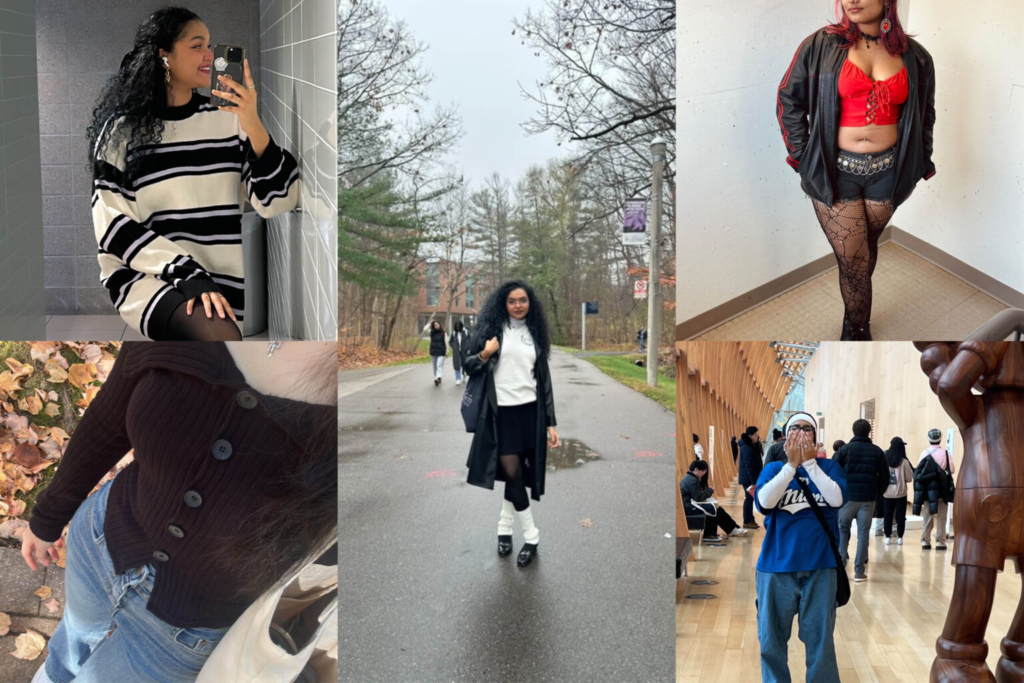
Urban fashion is shifting away from fast fashion and moving toward ethical production, upcycled fabrics, and limited-edition pieces. Brands are experimenting with organic cotton, recycled polyester, bamboo blends, and biodegradable sneakers. Clothing is becoming more versatile with transitional pieces suitable for work, commute, and social events.
Elevated Minimalism
In major cities, minimalist styles with clean tailoring, neutral palettes, and high-function materials dominate. Technical fabrics that resist heat, moisture, and smog are increasingly used in jackets, trousers, and footwear.
Creative Personalization
Urban residents want individuality. Custom prints, local designer collaborations, graffiti-inspired graphics, and artist-led collections are trending. Fashion has become a form of storytelling.
2. Changing Urban Living and Housing Trends
Wellness-Focused Architecture
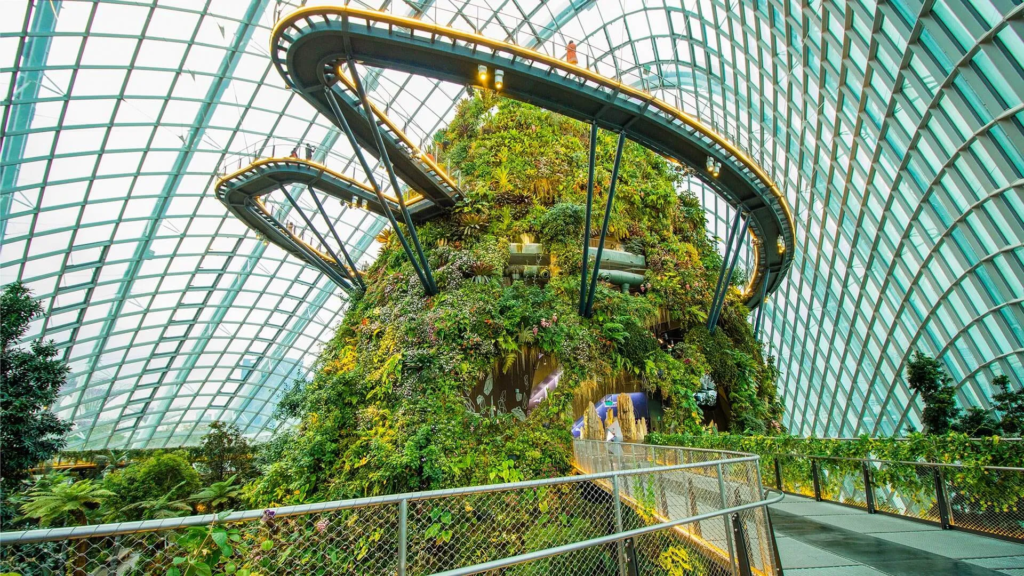
Urban homes are being designed for mental and physical wellbeing. Features include:
- Natural light optimization
- Indoor plants and biophilic designs
- Air purification systems
- Soundproofing to reduce urban noise
- Community rooftops and shared green terraces
These elements reduce stress levels and encourage healthier living for city residents.
Compact and Efficient Homes
Micro-apartments and studio living are rising, especially in high-density cities. Modern compact homes now feature modular furniture, convertible spaces, wall-folding beds, and tech-enabled kitchens to maximize every square foot.
Co-Living and Community Spaces
Community-centric living models are increasing. Shared gyms, workspaces, hobby rooms, and social kitchens allow residents to engage, connect, and build micro-communities within their buildings.
3. Food, Dining, and Urban Wellness Trends
Conscious Eating and Functional Foods
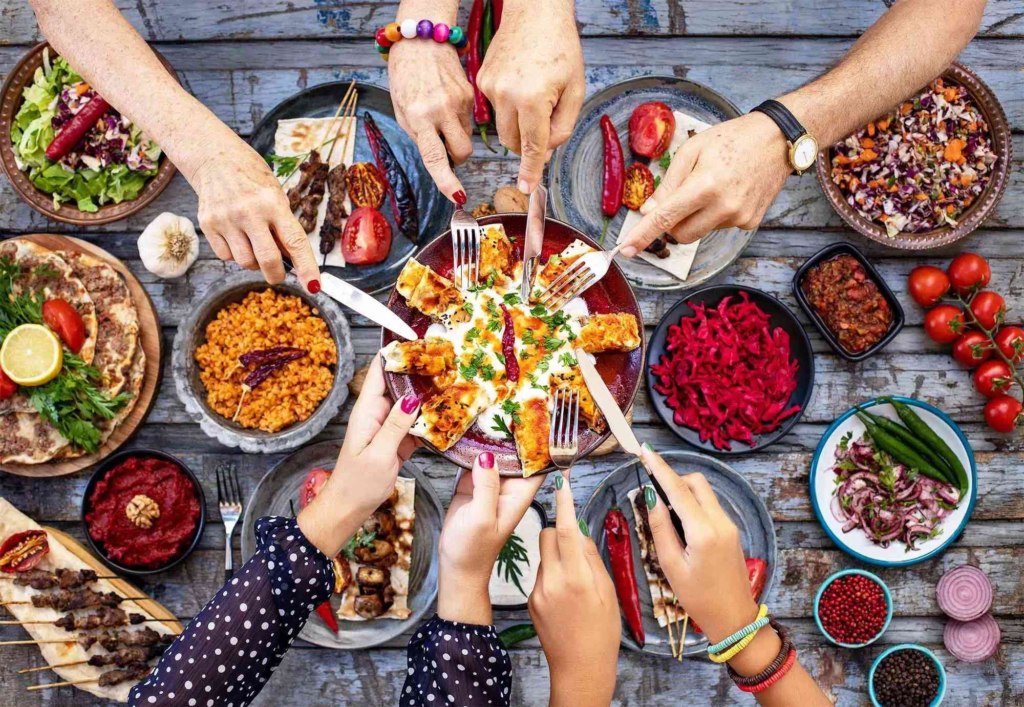
Urban consumers are shifting toward cleaner eating habits focused on plant-forward meals, gut-health foods, adaptogens, and nutrient-dense snacks. Restaurants and cafes are offering more gluten-free, vegan, fermented, and locally sourced options.
Smart Home Dining
Home dining is evolving through:
- Smart kitchen appliances with AI-based recipe suggestions
- Zero-waste cooking practices
- Meal-prep culture for busy city workers
- Personalized nutrition plans based on health data
Sustainability is now a major part of dining habits.
Rise of Local and Artisanal Food
Urban residents prefer small-batch bakeries, specialty coffee shops, farm-to-table restaurants, and artisanal food brands over large commercial chains. Authentic culinary experiences are valued more than convenience.
4. Evolving Urban Mobility and City Culture
Human-Friendly Urban Planning
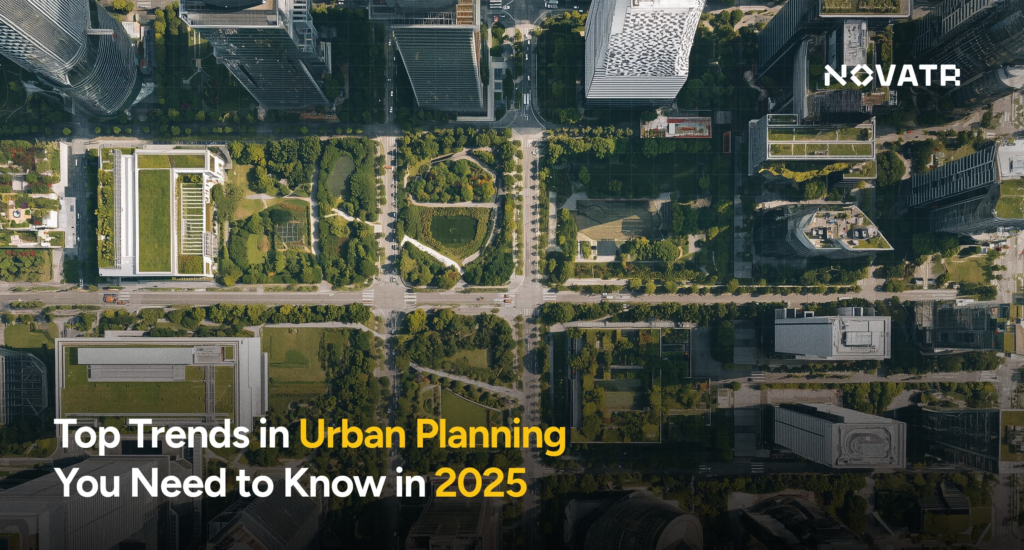
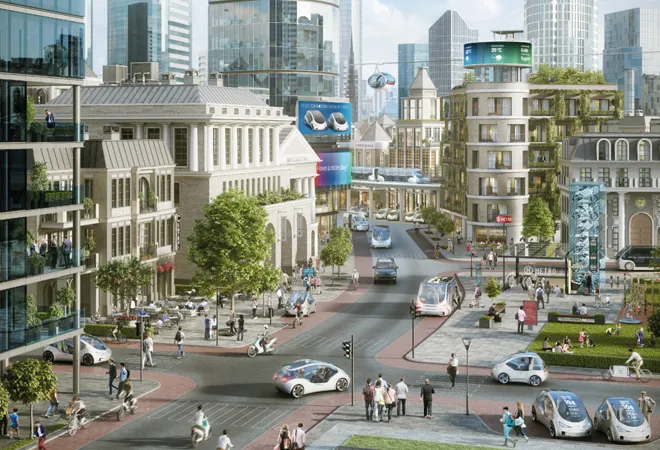
Cities are moving toward walkable and bike-friendly layouts. Wider pavements, green lanes, public micro-parks, and reduced car zones are becoming standard. This supports cleaner air and healthier lifestyles.
Micro-Mobility
Electric scooters, e-bikes, and shared mobility vehicles are widely used for short urban commutes. These solutions reduce traffic congestion and fuel consumption while making transportation more flexible.
Community and Cultural Revival
Urban neighborhoods are seeing more pop-up events, local markets, creative workshops, and cultural festivals. These promote social bonding and revive community identity.
5. Tech Integration and Digital Urban Living
Smart Homes and Connected Living
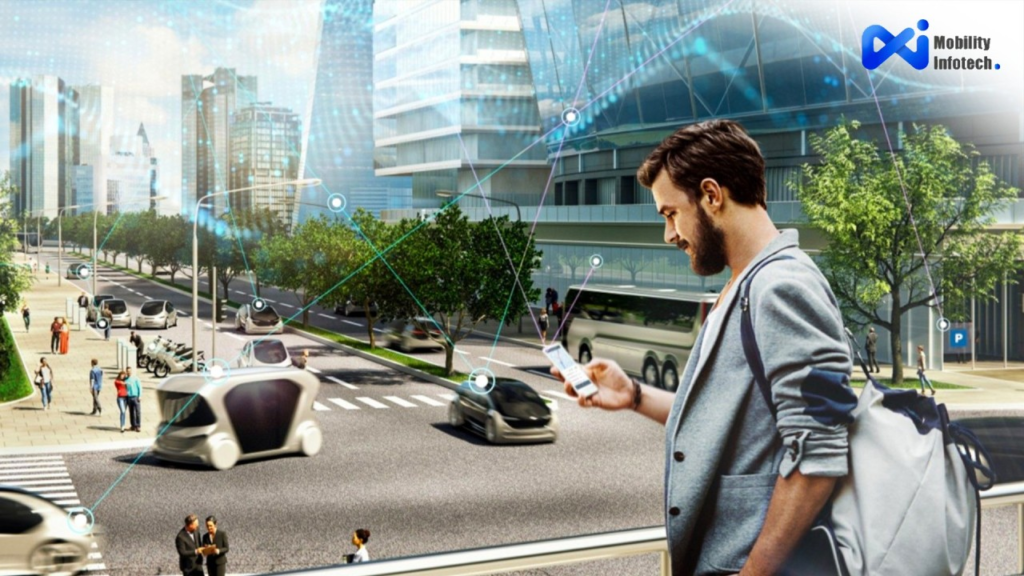
Smart lighting, security systems, climate control, and energy-saving devices are now common in urban residences. AI-driven assistants manage daily routines, shopping lists, and even electricity usage.
AR and Virtual Shopping
AR mirror try-ons, virtual store walkthroughs, and AI-curated recommendations are transforming how people shop for clothes, furniture, and décor in cities.
Wearable Technology
Wearables are evolving beyond fitness tracking. New devices offer stress-level monitoring, sleep analysis, posture correction, and real-time health alerts. Smart garments with embedded sensors are slowly entering mainstream use.
6. Sustainability and Conscious Urban Living
Eco-Friendly Consumption
Urban consumers are adopting:
- Reusable household items
- Natural cleaning products
- Low-energy appliances
- Minimal packaging products
- Refill stations for essentials
Sustainability has shifted from a niche trend to an everyday habit.
Green Mobility and Carbon Reduction
From solar-powered buildings to electric public transport, cities are prioritizing clean energy. Urban residents are increasingly aware of their carbon footprint and opting for greener lifestyle choices.
7. Work-Life Evolution in Cities
Hybrid Work Routines
Remote and flexible work continue to influence lifestyle trends. Coworking spaces, private pods, and neighborhood offices offer professional environments close to home.
Personal Development Culture
Urban professionals are prioritizing skill building, mental wellness sessions, creative hobbies, and physical fitness to balance professional stress.
Summary
Urban lifestyles in 2025 are shaped by sustainability, wellness, smart technology, cleaner design, and community-centered living. Fashion is more expressive, homes are more efficient, food is more mindful, and cities are becoming more livable. People are choosing comfort, authenticity, and conscious consumption as guiding principles in modern urban life.
#UrbanLifestyle #UrbanTrends2025 #CityLiving #ModernUrbanLife #UrbanCulture #LifestyleTrends #CityLifestyle #UrbanLiving2025 #ModernLiving #SmartCityLife #SustainableLiving #Anslation #Carrerbook