
Life moves quickly. Between work, studies, family responsibilities, and everyday challenges, finding a few peaceful minutes for ourselves can sometimes feel difficult. Our minds are often busy thinking about yesterday’s mistakes, today’s responsibilities, and tomorrow’s plans. Even when we sit quietly, our thoughts may continue running in different directions. This is where meditation can become a meaningful part of everyday life. Meditation is not about stopping every thought or forcing the mind to remain completely silent. It is about giving yourself time to pause, breathe, and become more aware of the present moment. Just like spending a few minutes in a garden or listening to the gentle sound of rainfall, meditation can offer a refreshing break from a busy routine. A meditation timer makes this practice easier. It helps you manage your meditation sessions without constantly checking the clock. Whether you are a beginner or someone who already enjoys mindfulness, a simple timer can help create a more organised and consistent routine.
What Is a Meditation Timer?
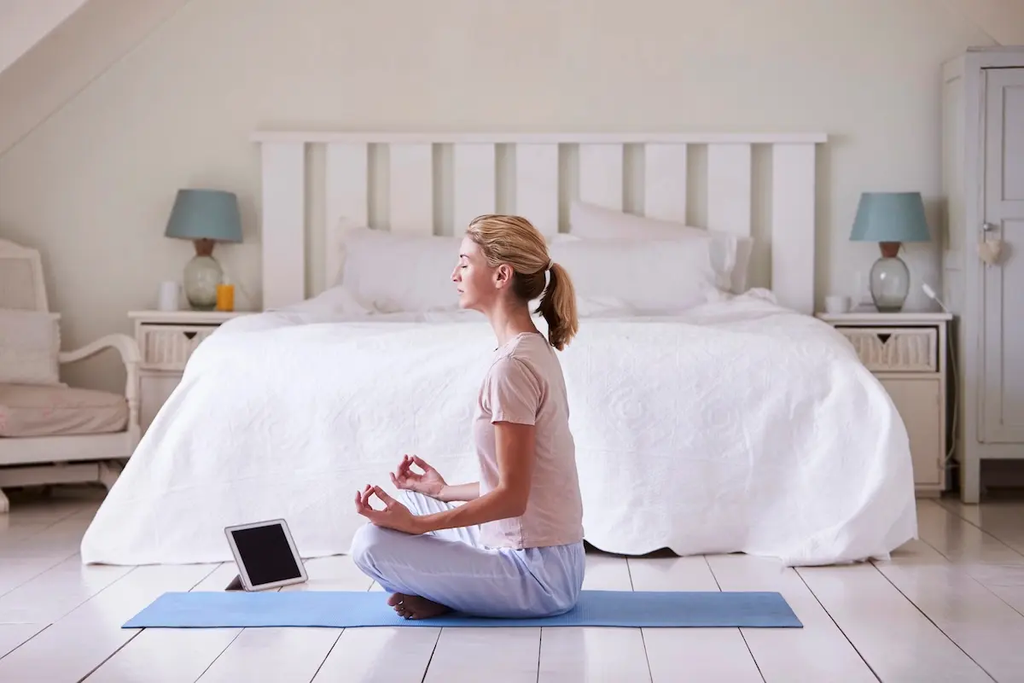
A meditation timer is a digital or physical tool that helps people manage the duration of their meditation sessions. Users choose how long to meditate, and the timer signals when the session begins or ends.
Instead of repeatedly looking at your phone or wondering how much time has passed, you can focus on your breathing and thoughts.
Most meditation timers offer simple features such as:
- Custom session duration: Choose a meditation period that suits your schedule.
- Start and stop controls: Begin or finish a session whenever needed.
- Sound notifications: Receive gentle alerts when a session starts or ends.
- Volume settings: Adjust notification sounds to a comfortable level.
- Silent mode: Practice without unnecessary audio interruptions.
- Break reminders: Set reminders to make meditation part of your daily routine.
A meditation timer makes meditation more convenient. It should not turn relaxation into another task that must be completed perfectly.
Why Is a Meditation Timer Useful?
When people begin meditation, one common difficulty is managing time. Some beginners feel they have been sitting for a long time. Meanwhile, others keep checking the clock because they are unsure when their session will finish.
A timer removes this distraction.
Imagine sitting near a window on a peaceful morning. Fresh sunlight enters the room, birds are singing outside, and you are trying to enjoy a few quiet moments. If you repeatedly check the clock, your attention moves away from the experience.
A meditation timer helps avoid this habit.
It creates a simple structure so that you can spend your chosen time focusing on yourself rather than worrying about the clock.
Benefits of Using a Meditation Timer
1. Helps Build a Consistent Routine
Consistency is one of the most important parts of developing a new habit.
A meditation timer makes it easier to choose a regular session duration. You might begin with five minutes every morning. Gradually increase the time if it feels comfortable.
Having a clear starting and ending point can make meditation easier to include in your daily schedule.
2. Reduces Time-Related Distractions
Checking the clock during meditation can interrupt concentration.
With a timer, you do not need to wonder whether your session has finished. You can simply follow your practice until the notification appears.
This allows you to give more attention to your breathing and present experience.
3. Encourages Mindfulness
Mindfulness means paying attention to the present moment without immediately judging every thought or feeling.
During meditation, you may notice sounds around you, the movement of your breath, or thoughts passing through your mind.
A timer helps create a dedicated period for this practice.
4. Makes Meditation Beginner-Friendly
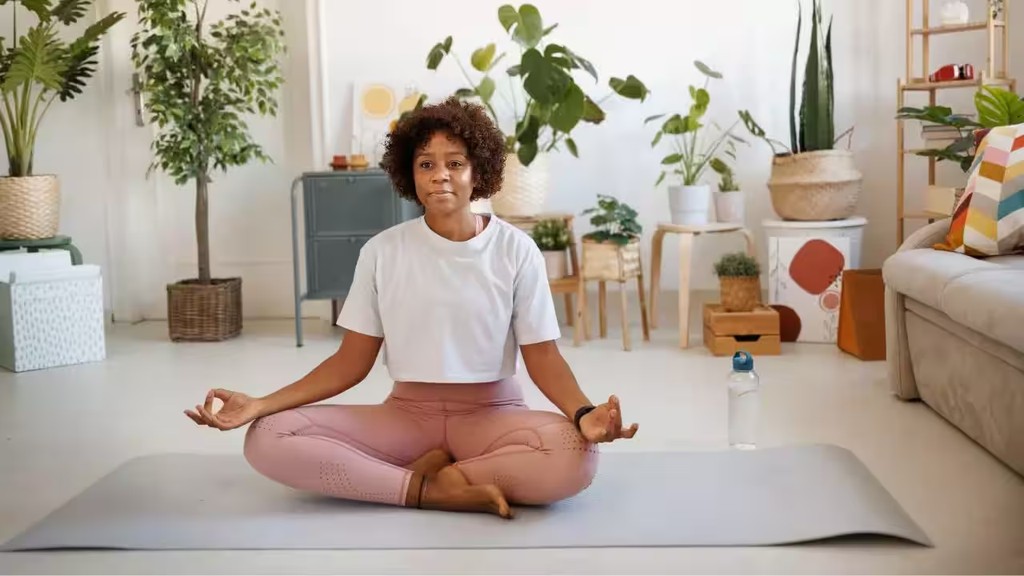
Starting something new can sometimes feel uncomfortable.
Beginners may believe they need to meditate for 30 or 60 minutes to experience its benefits. However, starting with a short session is perfectly reasonable.
A five-minute meditation timer can provide a simple starting point without making the activity feel overwhelming.
5. Supports Personal Discipline
Small habits can gradually become meaningful parts of everyday life.
Setting aside a few minutes for meditation encourages you to make time for yourself. Over time, this routine may support greater awareness of your daily habits and priorities.
How to Use a Meditation Timer Step by Step
Using a meditation timer does not require special equipment or advanced knowledge. You only need a comfortable place and a few uninterrupted minutes.
Step 1: Choose a Peaceful Environment
Find a comfortable place to sit. It could be your bedroom, a quiet corner of your home, a balcony, or a peaceful garden.
You do not need complete silence. Just choose an environment where you can focus without unnecessary interruptions.
Step 2: Select Your Meditation Duration
Choose a session length that matches your experience and availability.
Here is a simple example:
| Experience Level | Suggested Duration |
|---|---|
| Complete beginners | 3–5 minutes |
| Regular beginners | 5–10 minutes |
| Developing practice | 10–15 minutes |
| Experienced practitioners | 15–30 minutes |
These are suggested practice durations, not strict requirements. You can adjust them according to your comfort.
Step 3: Check the Volume Settings
If your meditation timer uses sound notifications, check the volume before beginning.
A notification that is too loud may interrupt a peaceful session. However, a very quiet sound may be difficult to hear.
Check the following:
- Device volume: Set your phone or computer volume appropriately.
- Notification clarity: Make sure the ending sound is recognizable.
- Silent mode: Confirm whether your device is blocking notifications.
- Headphone volume: Check the audio level if you are using headphones.
- Sound preference: Choose a gentle notification instead of a sudden loud alert.
Some people prefer silent meditation with a visual countdown. This is also a perfectly useful option.
Step 4: Sit Comfortably and Begin
Sit on a chair, cushion, or meditation mat. Keep your body relaxed and allow your hands to rest naturally.
Start the timer and bring your attention to your breathing.
There is no need to control every breath. Simply notice the natural movement of air entering and leaving your body.
Step 5: Allow Thoughts to Come and Go
Your mind may wander during meditation. You might think about work, unfinished tasks, conversations, or future plans.
This is completely normal.
Instead of becoming frustrated, gently bring your attention back to your breathing.
Meditation is a practice of returning your attention, not a test of having an empty mind.
Step 6: Finish Your Session Slowly
When the timer ends, do not rush to stand up immediately.
Take a moment to notice how you feel. Open your eyes gently if they were closed. Stretch if needed, then return to your regular activities.
Important Features to Look for in a Meditation Timer
Not every timer offers the same experience. Some provide only basic countdown functions. Others include additional features for a more personalised routine.
| Feature | Why It Matters |
|---|---|
| Adjustable duration | Allows flexible meditation sessions |
| Gentle notifications | Helps avoid sudden interruptions |
| Volume control | Provides comfortable sound levels |
| Silent mode | Supports quiet meditation |
| Simple interface | Makes the timer easy to operate |
| Session reminders | Encourages regular practice |
| Pause and restart | Offers flexibility during sessions |
| Background operation | Helps keep the session running while using other features |
The best meditation timer is one that feels simple, reliable, and comfortable.
You do not need every advanced feature. A basic timer with accurate countdowns and suitable sound settings may be enough.
Different Types of Meditation You Can Practice with a Timer
A meditation timer can support different mindfulness practices. You can choose an approach based on your interests and comfort.
1. Mindfulness Meditation
Mindfulness meditation involves paying attention to the present moment.
You may focus on your breathing, surrounding sounds, or physical sensations. Whenever your mind wanders, gently return your attention to the present.
2. Breathing Meditation

Breathing meditation involves noticing your natural breathing pattern.
You can observe each inhale and exhale without trying to change your breathing unnecessarily.
3. Guided Meditation
Guided meditation uses spoken instructions to help people follow a meditation session.
A timer can help you decide how much time you want to dedicate to the practice.
4. Gratitude Meditation
Gratitude meditation involves thinking about the people, experiences, and simple things you appreciate.
It may include memories of a beautiful sunrise, a kind conversation, or a peaceful moment with family.
5. Body Scan Meditation
Body scan meditation involves gradually bringing attention to different parts of the body.
It encourages awareness of physical sensations and helps people notice areas where they may be holding tension.
Common Mistakes to Avoid When Using a Meditation Timer
Using a meditation timer is simple. However, beginners sometimes develop expectations that make the experience unnecessarily stressful.
Here are some common mistakes to avoid:
- Choosing a session that is too long: Begin with a manageable duration instead of forcing yourself to meditate for extended periods.
- Expecting immediate results: Meditation is a personal practice, and experiences can vary.
- Getting frustrated with thoughts: Having thoughts during meditation is normal.
- Using loud notifications: Choose comfortable sound settings to avoid sudden interruptions.
- Treating meditation like a competition: Focus on your experience instead of comparing your session duration with others.
- Skipping comfort: Choose a comfortable sitting position rather than forcing yourself into an uncomfortable posture.
Remember that meditation should feel like a personal pause, not another responsibility on your daily checklist.
How to Make Meditation a Daily Habit
Building a regular meditation habit does not require major lifestyle changes.
Start with small steps and allow the routine to develop naturally.
Here are some practical suggestions:
- Choose a regular time: Morning or evening can be a convenient starting point.
- Start small: Try five minutes instead of immediately choosing a long session.
- Create a peaceful space: Keep a comfortable place ready for meditation.
- Reduce distractions: Silence unnecessary notifications before beginning.
- Use a timer: Set a clear beginning and ending point.
- Stay patient: Some sessions may feel peaceful, while others may feel distracted.
- Make it enjoyable: Explore different meditation styles until you find one that suits you.
You can also connect meditation with an existing habit. For example, practice after brushing your teeth in the morning or before preparing for bed.
Small, repeated actions often make new routines easier to maintain.
Meditation Timer and the Importance of Sound Verification
Sound verification is an important usability detail when choosing or testing a meditation timer.
The purpose of sound notifications is to provide gentle guidance without disturbing the meditation experience.
Before using a timer regularly, check whether:
- The starting notification works correctly.
- The ending notification can be heard clearly.
- The volume can be adjusted.
- The sound does not become unexpectedly loud.
- The silent mode works as expected.
- Notifications function correctly when the screen is locked, if the timer supports background operation.
A timer should provide dependable signals without forcing users to keep looking at their screens.
A peaceful meditation experience depends on comfort, simplicity, and reliable functionality.
The Role of Meditation in a Busy Modern Lifestyle
Modern life gives us many conveniences, but it also keeps our attention moving constantly.
We check messages, respond to notifications, complete work assignments, and move from one responsibility to another. Sometimes, we forget to give ourselves a little time without distractions.
Meditation offers an opportunity to slow down.
Think about sitting outside during the early morning. The air feels fresh, the sunlight slowly touches the trees, and everything around you seems to move at a gentler pace.
You do not need to travel to a mountain or spend hours in a meditation center to enjoy a quiet moment.
Even a few minutes at home can become an opportunity to reconnect with yourself.
A meditation timer makes it easier to protect that time and include mindfulness in an otherwise busy day.
Conclusion
A meditation timer may look like a small digital tool, but it can make a meaningful difference in how people organise their mindfulness practice.
It helps manage session duration, reduces the habit of checking the clock, and provides gentle reminders to begin and finish meditation.
Whether you prefer breathing meditation, mindfulness, gratitude, or a simple moment of silence, the most important thing is to find a routine that feels natural.
Do not worry about meditating perfectly or completing long sessions. Start with a few minutes, remain patient, and give yourself permission to enjoy the process.
Sometimes, the most valuable thing you can do during a busy day is simply pause, take a comfortable breath, and spend a little time with yourself.
Frequently Asked Questions (FAQs)
1. What is a meditation timer used for?
A meditation timer helps users set and manage meditation sessions. It provides a clear starting point and ending point. This helps users focus on mindfulness without repeatedly checking the clock.
2. How long should beginners meditate?
Beginners can start with around 3–5 minutes per session. They can gradually increase the duration as they become more comfortable with the practice.
3. Why does a meditation timer need volume verification?
Volume verification ensures that starting and ending notifications work properly. It also ensures they are set to a comfortable level. This helps prevent missed signals and sudden loud sounds.
4. Can I use a meditation timer without sound?
Yes. Many meditation timers support silent mode or visual countdowns. These options are useful for people who prefer a completely quiet meditation environment.
5. What is the best time to use a meditation timer?
Morning and evening are popular choices. However, you can use a meditation timer whenever you have a few quiet minutes. You should also feel comfortable practicing mindfulness.
The UrbanTrendPress team
Written and checked by the people who run UrbanTrendPress.